
Table of Contents
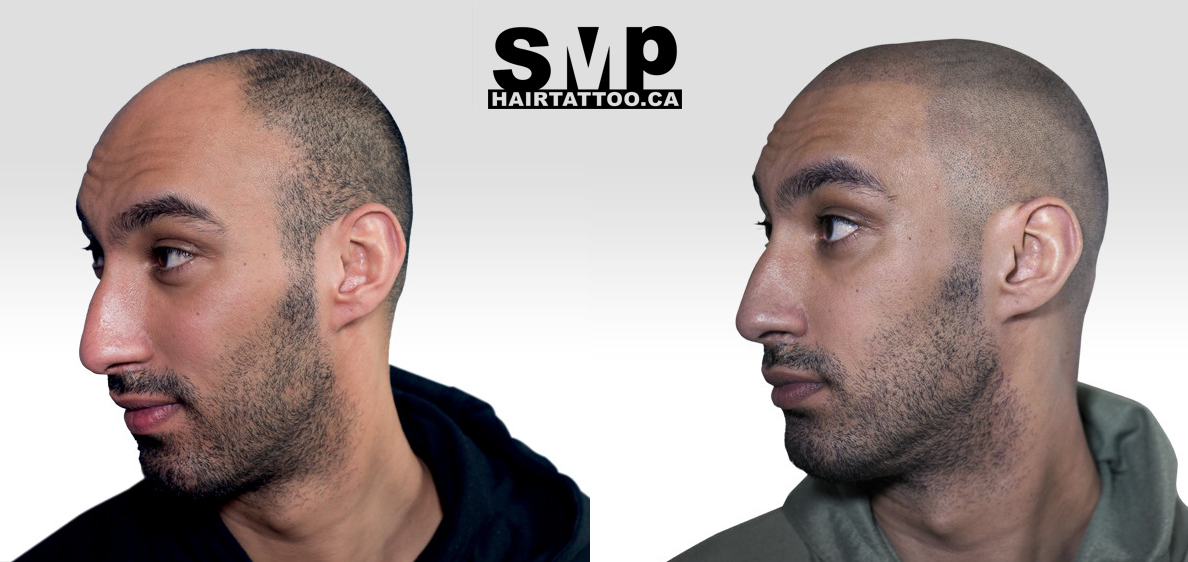
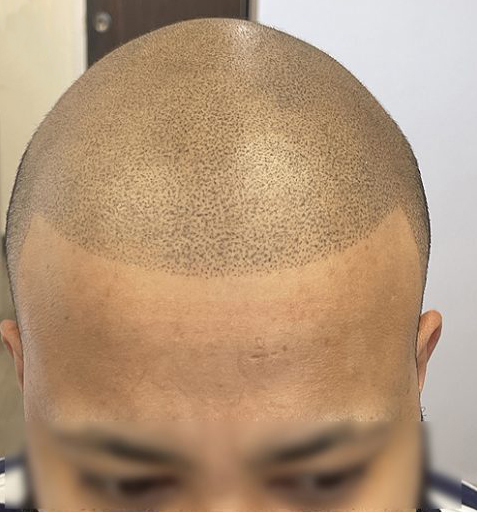
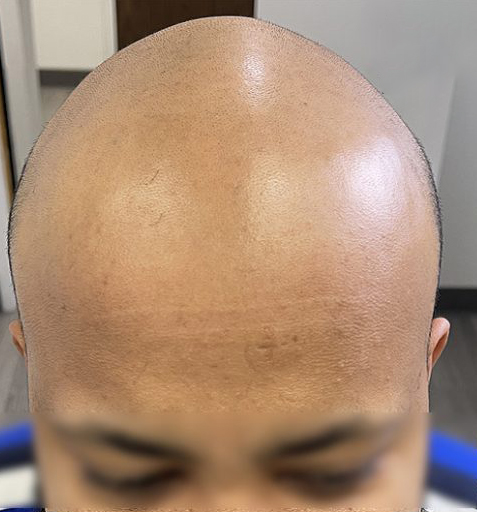
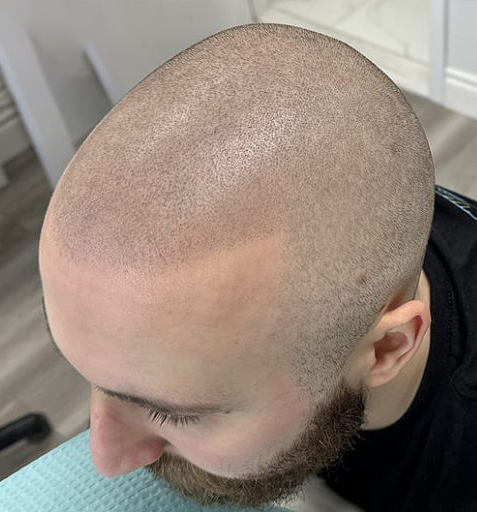
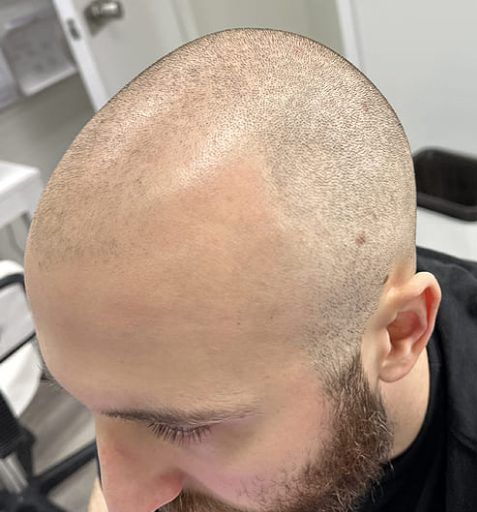
Unnatural SMP hairlines are usually the result of poor design, incorrect density, or unrealistic expectations. This article explains common hairline mistakes in scalp micropigmentation, how natural hairlines should be planned, and what conservative design principles lead to believable, age-appropriate results.
One of the most common criticisms of scalp micropigmentation (SMP) is that “the hairline gives it away.”
Even when the overall density looks acceptable, an unnatural hairline can make an otherwise well-done SMP result appear artificial. This is especially noticeable in real life, under natural lighting, and during close social interactions.
The issue is not that SMP hairlines are inherently fake. It’s that hairlines are the most sensitive and unforgiving part of the illusion. Small design or execution choices that seem minor during treatment can become obvious over time.
This article explains why SMP hairlines sometimes look unnatural, what patterns cause that effect, and how those outcomes can often be avoided with proper design thinking.
For a broader understanding of how scalp micropigmentation results behave overall, see:
scalp micropigmentation results → https://hairtattoo.ca/scalp-micropigmentation-results/
Table of Contents
The hairline is where the illusion of SMP is tested the most.
Unlike the mid-scalp or crown:
Human brains are extremely good at recognizing subtle irregularities in faces. When a hairline lacks natural variation, depth, or restraint, it can immediately feel “off,” even if the viewer can’t explain why.
This is why many SMP results that look acceptable from a distance fail under closer inspection.
One of the most common causes of unnatural SMP hairlines is over-precision.
A hairline that is:
may look impressive immediately after treatment, but natural hairlines rarely behave this way.
In real hairlines:
When SMP hairlines are drawn like a clean outline instead of built as a transition, they tend to read as artificial once the initial boldness settles.
Another frequent issue is hairline positioning.
A very low or aggressive hairline may:
However, over time:
This mismatch often makes the hairline feel unnatural even if the SMP work itself hasn’t changed. Hairlines that don’t respect age, facial structure, and long-term appearance are more likely to stand out later.
Natural hairlines are not uniform walls of follicles.
They have:
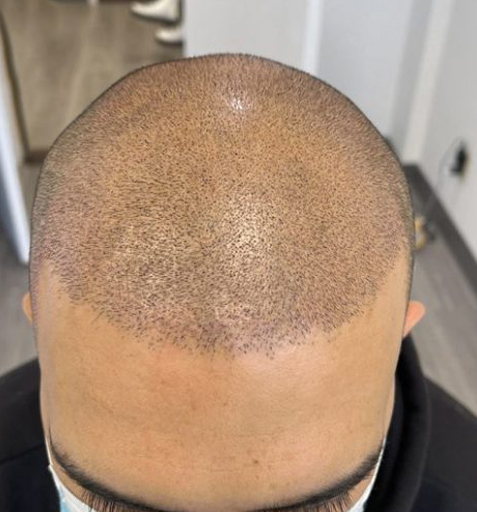
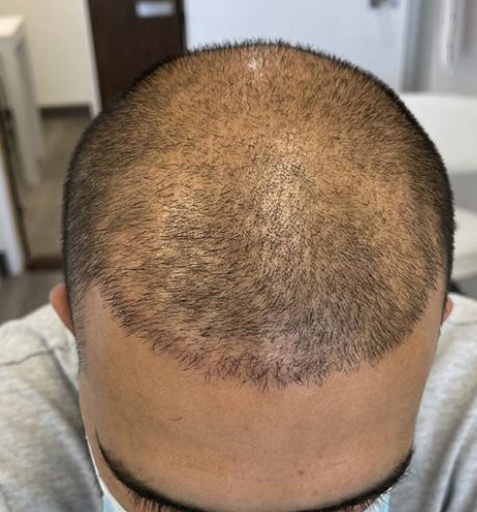
When SMP hairlines are built with uniform density right at the edge, the illusion breaks. The eye expects subtle irregularity, and when it doesn’t find it, the result can feel painted or stamped on.
This is especially noticeable in:
Hairline realism depends heavily on scale.
If impressions at the hairline are:
they can appear heavier than expected at the very front of the scalp.
Even when the difference is subtle, the brain notices inconsistency. Hairline impressions typically need to be finer and softer than those used further back to maintain a believable gradient.
Lighting plays a major role in how hairlines are perceived.
Real hairlines:
SMP hairlines that are too saturated or too flat can lose this effect. Under certain lighting conditions, especially overhead or outdoor light, they may appear as a solid band rather than a natural transition.
This is why some SMP hairlines look acceptable indoors but unnatural outside.
Many unnatural SMP hairlines originate from photo-driven design.
Before-and-after images:
Designing a hairline to look dramatic in photos often means pushing:
But real-life viewing is far less forgiving than photography. A hairline that looks striking in images may feel artificial during everyday interactions.
Hairlines are not static features.
Over time:
An SMP hairline that was designed without considering these factors may become visually disconnected from the rest of the face. This doesn’t mean the work is “bad,” but it does mean the design lacked long-term perspective.
Conservative hairline designs tend to age better because they leave room for subtle adjustment if needed.
In many cases, unnatural SMP hairlines could have been avoided by:
Hairlines that prioritize realism over immediate impact usually remain believable for much longer.
Some hairline issues are more difficult to address, particularly when:
Correction may involve:
This is why initial hairline decisions matter more than almost any other aspect of SMP design.
Rather than asking:
“Does my hairline look sharp?”
A better question is:
“Does my hairline disappear at conversational distance?”
A good SMP hairline should:
When a hairline stops calling attention to itself, it is usually doing its job correctly.
Unnatural SMP hairlines are rarely the result of poor intention. More often, they result from overconfidence in sharpness, symmetry, or density at the most visible point of the scalp.
Hairlines demand restraint. When they are designed to transition softly, respect age and facial structure, and prioritize realism over drama, they tend to hold up far better over time.
Understanding this helps explain why some SMP hairlines look unnatural — and why others quietly succeed without ever being noticed.

HAIRTATTOO.CA is the No.1 Scalp Micropigmentation clinic in Toronto Canada, offering a revolutionary hair loss solution that has transformed the lives of countless Canadians.
© 2026 HAIRTATTOO.CA | Scalp Micropigmentation & Trichology Centre
