Hair Treatment Toronto for Natural, Long-Lasting Results

prp hair treatment Toronto

Introduction to Hair Treatment Toronto

What is Hair Treatment?

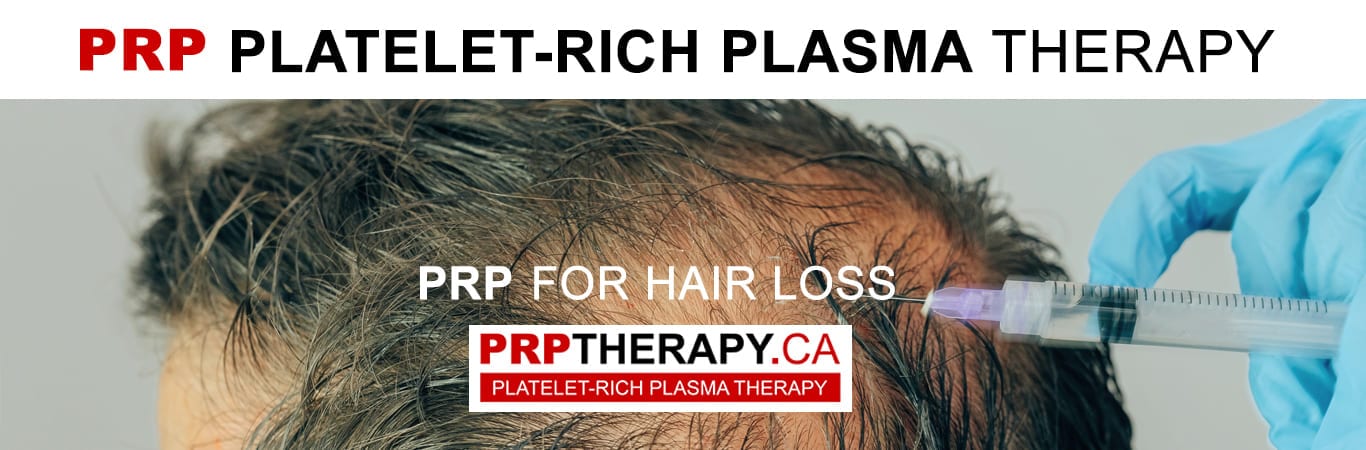
Hair Treatment Toronto is an advanced, non-surgical solution designed to address hair loss, thinning hair, receding hairlines, and bald spots. Platelet-Rich Plasma (PRP) therapy is a modern, medically backed treatment that uses your body’s own blood to naturally stimulate hair regrowth while minimizing the risk of allergic reactions or complications.


During the procedure, a small amount of blood is drawn from the patient’s arm and processed to concentrate the platelets. These platelets are rich in growth factors that help repair weakened hair follicles, improve scalp health, and stimulate new hair growth. This treatment is particularly effective for androgenetic alopecia (male and female pattern baldness), alopecia areata, and early-stage hair thinning.


For individuals in Toronto seeking a safe and natural hair restoration option, PRP therapy offers a clinically supported way to improve hair density and strengthen existing hair without surgery or extended downtime.


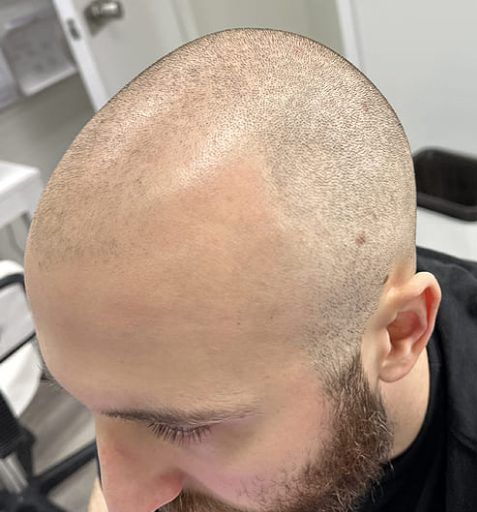
If you are exploring comprehensive solutions beyond PRP, visit our Scalp Micropigmentation Toronto page to learn how we create the appearance of fuller, thicker hair with immediate, natural-looking results.

Book Your Free Consultation Today Or Call (647)-492-5022

The Science Behind PRP Hair Restoration

The effectiveness of PRP hair treatment comes from its high concentration of platelets, which naturally contain powerful growth factors such as Platelet-Derived Growth Factor (PDGF), Vascular Endothelial Growth Factor (VEGF), and Insulin-like Growth Factor (IGF). These growth factors are essential for hair follicle regeneration, scalp repair, and improving overall hair growth.

When injected into areas affected by hair thinning, male and female pattern baldness, or alopecia, PRP helps stimulate new blood vessel formation and increase blood circulation to the scalp. Better blood flow delivers oxygen and nutrients to weak follicles, supporting hair restoration, improving hair thickness, and enhancing overall hair density.

Recent clinical studies suggest that this non-surgical hair loss treatment may increase hair count, strengthen existing strands, and reduce excessive shedding with minimal risks. Ongoing research continues to evaluate long-term results, while multiple case studies highlight noticeable improvements in hair regrowth, scalp health, and recovery from hair loss.

How PRP Hair Loss Treatment Works

Blood Extraction & Platelet Concentration

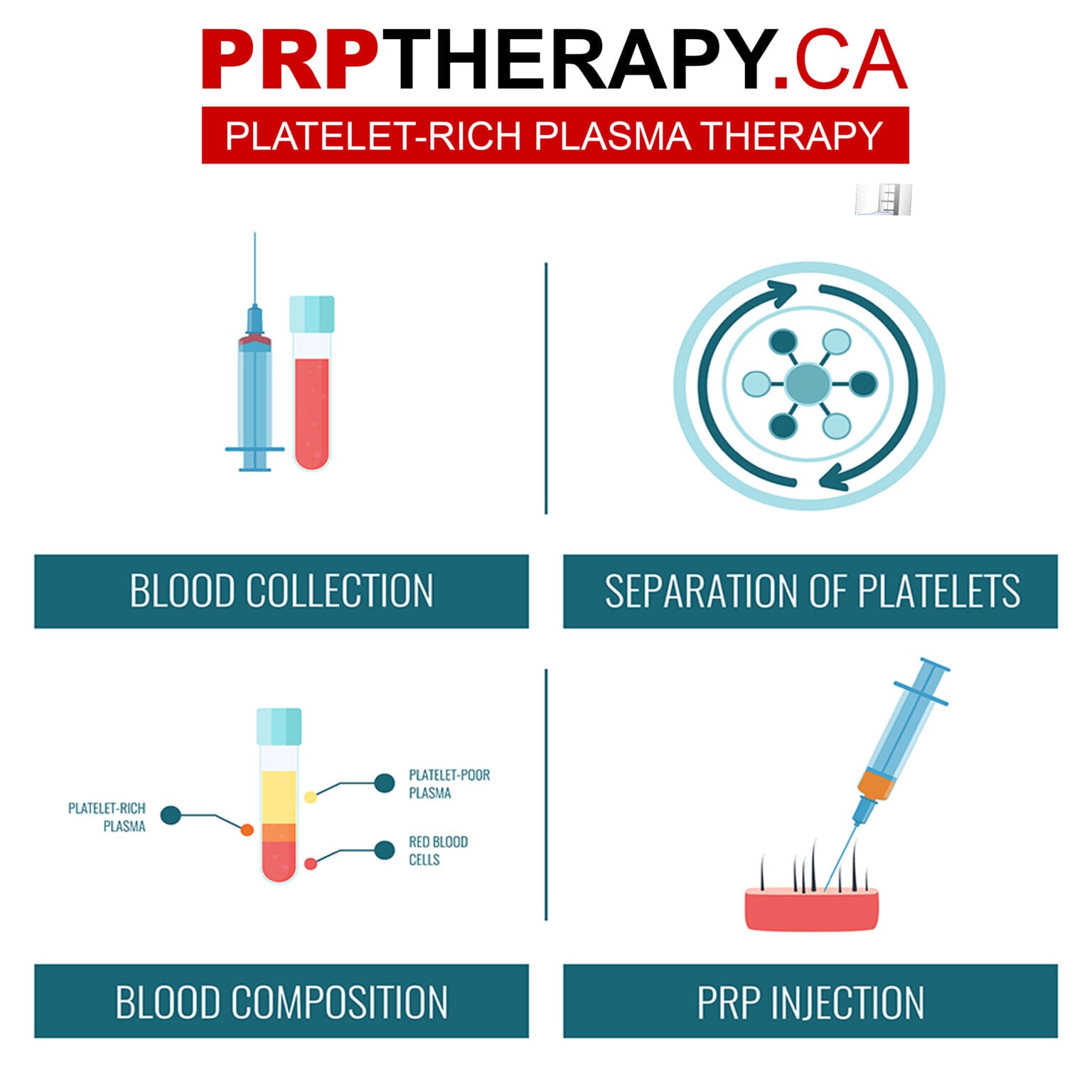
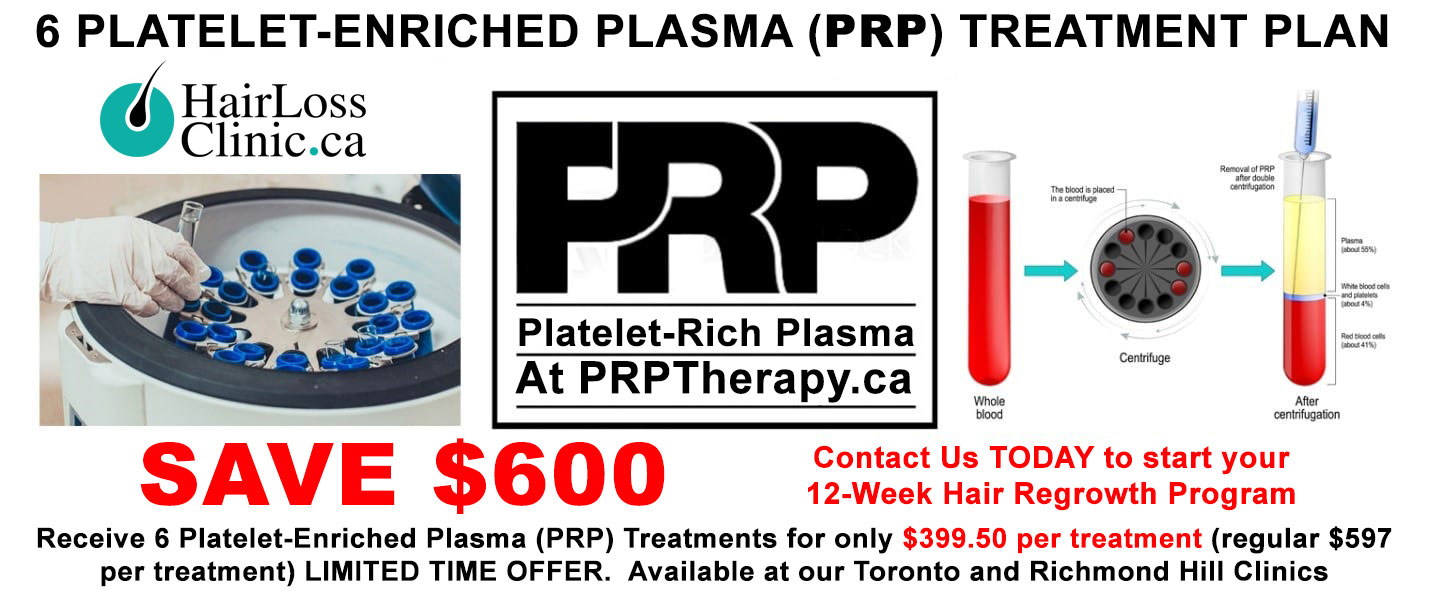
The procedure begins with a simple blood draw from the patient’s arm. The sample is placed in a centrifuge that spins at high speed to separate blood components. This process isolates platelet-rich plasma (PRP) with a high concentration of growth factors. Because the treatment uses the patient’s own blood (autologous therapy), it lowers the risk of allergic reactions and supports a safe, non-surgical hair restoration approach.


Targeted Scalp Injections

Once prepared, the PRP injections are carefully administered into areas affected by hair thinning, receding hairline, or pattern baldness. A local anesthetic is typically applied to reduce discomfort. The injections stimulate hair follicle repair, improve scalp circulation, and promote natural hair regrowth.

This process is usually performed by trained medical professionals and may require multiple sessions spaced a few weeks apart to achieve optimal hair density improvement and visible results.

prp injections Toronto

Benefits

Increase in Hair Density

One of the biggest advantages of Hair Treatment Toronto is the visible improvement in hair density. Many clients notice fuller-looking hair after their initial sessions as dormant hair follicles become reactivated. This leads to a measurable increase in hair count, reduced thinning, and a healthier scalp appearance.

Improved Hair Thickness & Quality

This treatment also enhances overall hair thickness, strength, and shine. By stimulating natural growth factors, it supports stronger strands and better scalp health. Patients looking for a non-surgical hair restoration option often choose this method to improve both hair volume and texture without undergoing invasive procedures.


Faster Recovery From Hair Loss

Another key benefit is quicker recovery from hair loss conditions such as male and female pattern baldness or early-stage thinning. Many individuals begin noticing early signs of hair regrowth within weeks, with gradual improvement in hair volume over the following months. The natural stimulation of follicles promotes long-term, sustainable results.

The Hair Restoration Procedure

Pre-procedure Steps

Before starting treatment, patients undergo a thorough medical and scalp assessment to determine suitability. Key steps include:

  • Reviewing overall health status and medical history.

  • Examining areas affected by hair thinning or balding.

  • Discussing expectations and potential treatment outcomes.

Patients are advised to avoid medications that affect blood clotting, such as aspirin or anti-inflammatory drugs, for a few days prior. Staying hydrated and having a healthy meal before the blood draw is also recommended to ensure optimal results.

The Hair Restoration Procedure

The Treatment Process

The therapy involves a precise three-step process, usually completed within an hour. A small blood sample is taken from the patient’s arm and spun in a centrifuge to separate and concentrate platelet-rich plasma, packed with natural growth factors. This plasma is then carefully injected into specific scalp areas affected by hair thinning, targeting the follicular units to stimulate hair regrowth and improve hair density.

Post-Procedure Care

Recovery time is minimal, allowing patients to resume normal activities quickly. Mild swelling, bruising, or discomfort at the injection site may occur but typically resolves within a few days. Patients are advised to avoid strenuous activity and direct sunlight on treated areas for at least 48 hours. Proper aftercare, including gentle hair care and avoiding harsh chemical treatments, helps maximize hair restoration results.

Possible Complications of Hair Restoration Toronto

Common Side Effects

After treatment, patients may experience temporary pain, scalp tenderness, mild swelling, or occasional headache. These effects are usually short-lived and resolve within hours or a few days. Using a small amount of platelet-rich plasma helps reduce the chance of serious issues.

Potential Risks

Though generally safe, improper procedure can lead to infection, tissue irritation, or injury from injections. Ensuring the treatment is performed by board-certified dermatologists or trained medical professionals significantly minimizes these risks and supports safe hair restoration outcomes.

Who Can Benefit from Hair Restoration Toronto

Ideal Candidates

Hair restoration treatments are highly effective for both men and women dealing with non-scarring hair loss, such as androgenic alopecia or male and female pattern baldness. They work best for individuals with thinning hair rather than fully bald areas. Clinical studies show that these treatments can slow hair loss, improve hair density, and enhance the thickness and strength of existing hair.

Who Should Avoid Treatment

Individuals with active infections, chronic liver conditions, skin disorders, or cancer are generally not recommended to undergo treatment. Patients taking blood-thinning medications may also be unsuitable.

It is important for anyone considering treatment to discuss their medical history with a qualified healthcare professional before starting the therapy.

Who Can Benefit from Hair Restoration Toronto

Cost of Hair Treatment in Toronto

Factors Impacting the Cost

The price of hair restoration treatments in Toronto depends on several factors, including the number of treatment sessions, the experience of the medical professional, the size of the treated area, and the clinic’s location. Many Toronto clinics offer multi-session treatment plans, which can provide better value for patients seeking long-term hair restoration.


Average Price Range

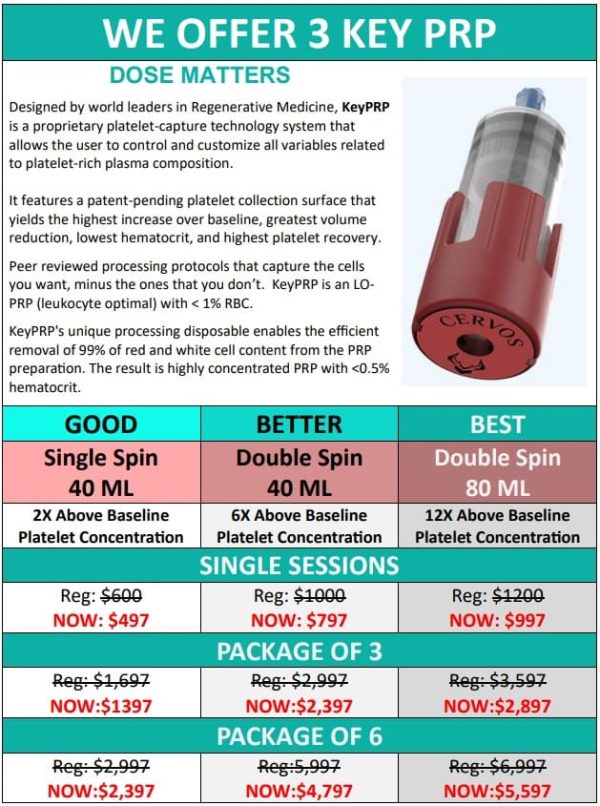
Treatment costs in Toronto typically range from $500 to $1,000 per session. While this may seem like a considerable investment, many patients consider it worthwhile for improved hair density, thicker hair, and enhanced scalp health. Long-term benefits and occasional maintenance sessions should also be factored in when planning treatment.

Hair Loss Treatment Comparison in Toronto

Hair Treatment vs Hair Transplant

Hair treatment is a minimally invasive method that uses platelet-rich plasma to naturally stimulate hair follicles. It’s best for early thinning or those seeking non-surgical restoration. Hair transplants are surgical, suited for advanced baldness, but involve longer recovery.

Key Differences:

  • Hair Treatment:

    • Non-surgical, minimal downtime

    • Stimulates existing follicles for natural regrowth

    • Ideal for early-stage thinning or stress-related hair loss

  • Hair Transplant:

    • Surgical procedure with longer healing

    • Suitable for advanced male/female pattern baldness

    • Higher cost and potential for complications

Hair Treatment vs Topical Treatments

  • Topical solutions like minoxidil require daily use and may cause allergic reactions. Hair treatment is more holistic, targeting follicle regeneration with growth factors and stem cells.

    Comparison:

    • Hair Treatment:

      • Sustained results and improved hair density

      • Enhances overall scalp health

      • Works naturally without daily application

    • Topical Treatments:

      • Daily routine required

      • Mild cases of hair loss only

      • Stopping treatment can reverse results

Hair Treatment vs Laser Therapy

Laser therapy stimulates scalp cells with low-level lasers. Results vary and multiple sessions are needed. Hair treatment targets follicles directly with concentrated platelets, often producing quicker and thicker hair results.

Highlights:

  • Hair Treatment:

    • Directly targets thinning areas

    • Faster and more visible hair regrowth

    • Enhances hair thickness and quality

  • Laser Therapy:

    • Non-invasive but slower results

    • Multiple sessions over weeks required

    • Effectiveness can vary per individual

Clinical Studies

Evidence of Efficacy from Studies

Multiple clinical studies support the effectiveness of Hair Treatment Toronto for individuals experiencing hair thinning or pattern baldness. Research published in cosmetic and sports medicine journals highlights consistent positive results.


Key Findings:

  • Increased Hair Density: Treatments have been shown to significantly improve hair count, thickness, and overall hair density after several sessions.

  • Reduced Hair Loss: Patients report noticeable decreases in hair shedding along with improved scalp health.

  •  

Before and After Hair Treatment

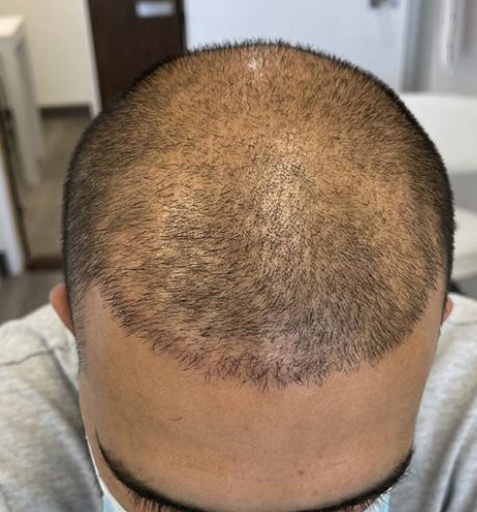
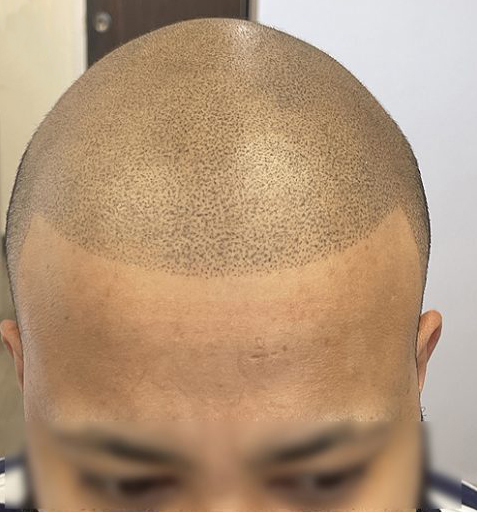
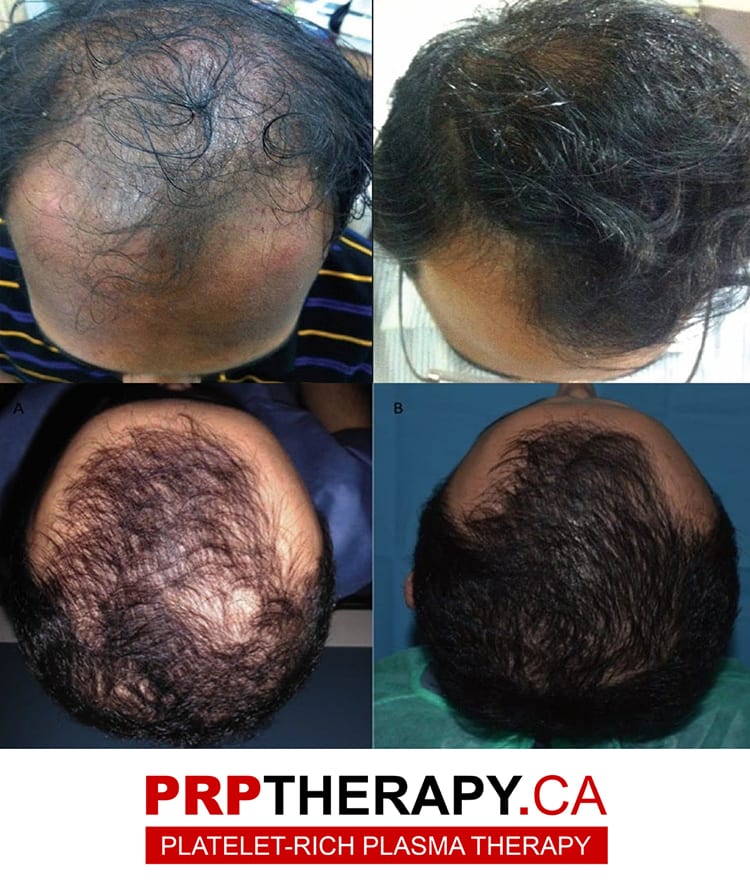
Case studies frequently show remarkable transformations. For example, male patients with androgenic alopecia saw a 30% increase in hair density after four sessions, while female patients with thinning hair demonstrated clear improvements in hair volume and quality.

FAQs

How Many Sessions Are Required for  Treatment?

Patients typically need 3 to 6 sessions, spaced 4–6 weeks apart, to achieve optimal hair restoration results. Follow-up treatments every 6–12 months help maintain hair density and reduce hair thinning.

How Long Does Each Session Last?

Each hair restoration session usually takes about one hour, including a blood draw, centrifuge processing, and targeted scalp injections.

Is Hair Treatment Permanent?

Results are not permanent, but with regular maintenance sessions and proper scalp care, patients in Toronto can enjoy long-lasting hair growth and improved hair thickness.

Conclusion

Hair treatment provides a safe, effective, and minimally invasive solution for people experiencing hair thinning, pattern baldness, or stress-related hair loss. Using the patient’s plasma, this three-step therapy stimulates hair follicles, enhancing hair density, thickness, and overall scalp health with minimal risk.

Supported by clinical studies and high patient satisfaction, this therapy is a reliable alternative to topical treatments, laser therapy, or hair transplant surgery. While not a permanent cure, it consistently delivers long-lasting hair restoration results for patients in Toronto seeking fuller, healthier hair.

PRP-hair-loss-cost