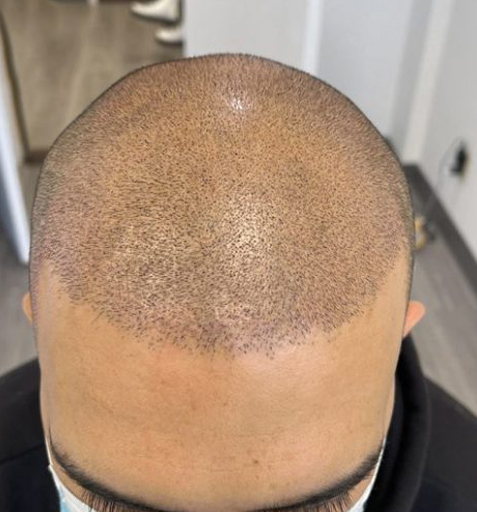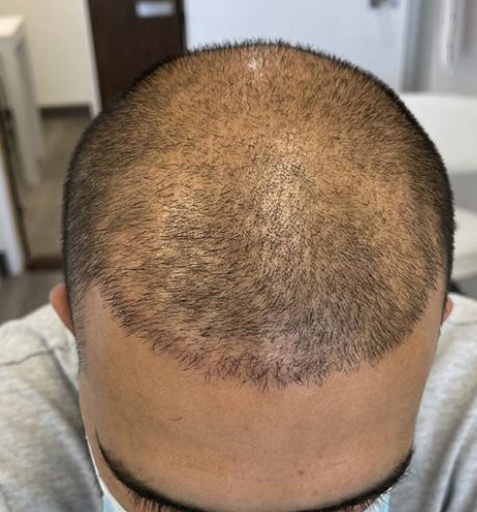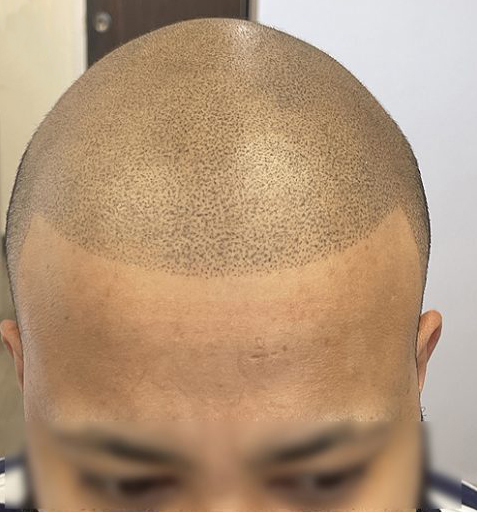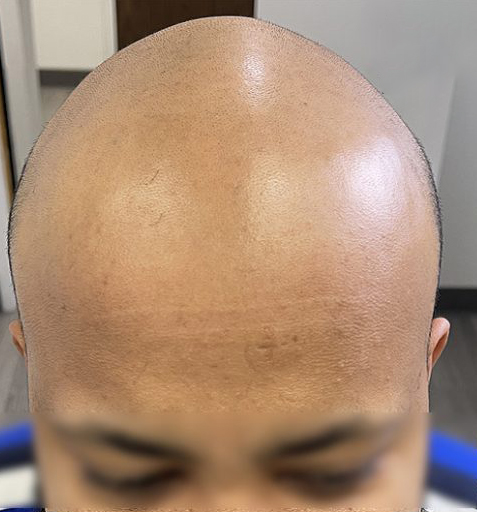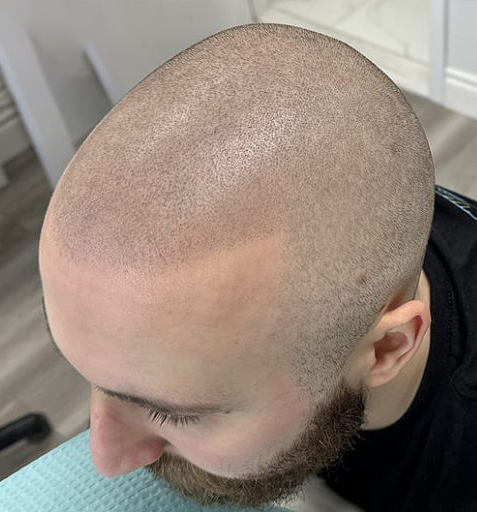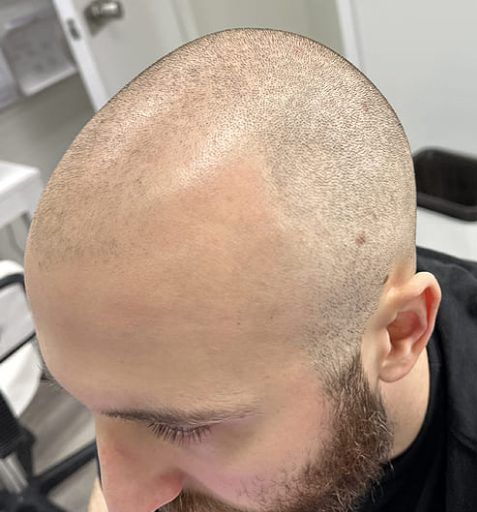
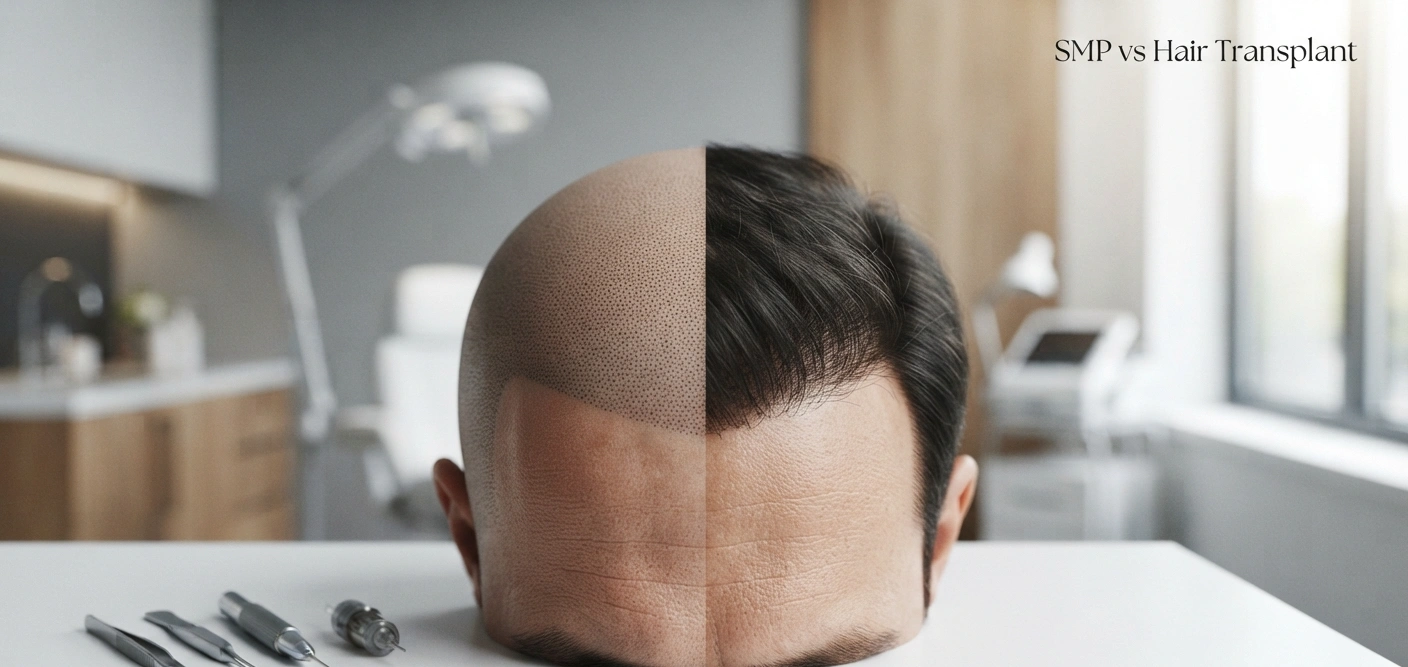
Choose SMP when you want a realistic shaved-hair or density effect without surgery, and consider a hair transplant when you want actual hair growth and have suitable donor hair. Scalp Micropigmentation and Hair Transplant solve different problems, so the right option starts with your desired result. SMP places tiny pigment impressions on the scalp to copy the look of closely shaved follicles or reduce visible scalp contrast. A transplant is surgery that moves hair-bearing follicles to thinning or bald areas.
Many Toronto and GTA clients compare these treatments because cost, recovery, grooming, and long-term planning are not the same. Some people want a sharp buzz-cut appearance, while others want hair they can grow and style. Donor supply, hair-loss pattern, scalp condition, work schedule, and future thinning can change the decision. A consultation should explain both the likely result and the limits before you book.
Table of Contents
SMP is a non-surgical cosmetic procedure. A trained practitioner deposits small pigment dots at different sizes, angles, and depths to create the appearance of thicker hair, a shaved scalp, or reduced contrast in thinning areas. It does not grow hair or change natural follicle growth.
A hair transplant is a surgical procedure. Hair follicles are taken from a donor area, usually at the back or sides, and placed into thinning or bald areas. The NHS states that transplanted hair may shed during early recovery, new growth often begins after several months, and the full result can take 10 to 18 months.
SMP may suit people who want a low-grooming, closely shaved appearance or a visual density effect through existing hair. It may also be used to soften the look of scalp scars or thin donor zones when surgery is not wanted or donor hair is limited.
SMP may fit your goals when:
SMP is not a hair-regrowth procedure. A fully bald area next to longer, dense hair may also create a visible mismatch, so hair length and surrounding density must be assessed carefully.
A transplant may suit people who want real hair growth and have enough stable donor hair for a safe plan. The surgeon must also consider the current loss pattern and how the design may look if untreated hair continues to thin.
A transplant may fit your goals when:
Surgery does not guarantee unlimited density. Donor follicles are limited, so a conservative hairline and realistic coverage plan are important.
A natural SMP hairline should match the client’s age, face shape, skin tone, follicle pattern, and preferred clipper length. Pigment that is too dark, too dense, or too sharply edged can look artificial. Cleveland Clinic recommends choosing a qualified practitioner and reviewing previous results because poor technique can create an unwanted appearance.
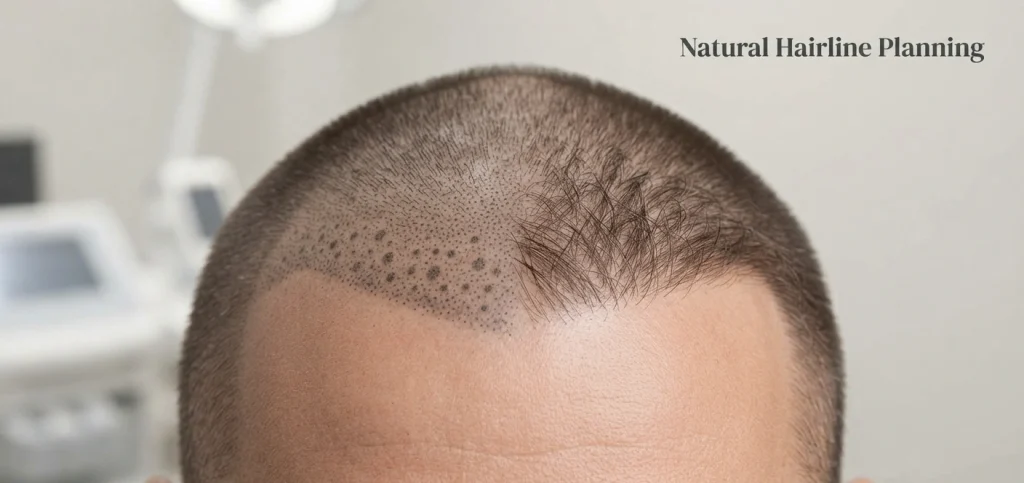
A transplant hairline must also account for donor supply and future loss. The NHS states that hair may continue to thin around the transplanted area, which means the design should still look balanced as time passes.
Use healed results when comparing providers. Fresh SMP can look darker before settling, while transplant photos taken too early do not show the final growth pattern.
Yes, the two treatments can be combined in selected cases. ISHRS explains that SMP may be used with surgery to improve the look of low-density areas, limited donor supply, or scars left by FUE or FUT procedures.
SMP may be added after transplant healing to:
Timing must be approved by the treating professionals. Pigment should not be placed over fresh surgical wounds, and the scalp should be stable before cosmetic work begins.
Before comparing Scalp Micropigmentation and Hair Transplant, think about how each option fits your normal week. Office lighting, commuting, gym sessions, outdoor work, haircut frequency, social plans, and travel for follow-up visits can affect the practical choice.
A Toronto professional may place a high value on a short break from work, while someone seeking longer hair may accept surgical recovery and a slower result. Clients travelling from Mississauga, Brampton, Richmond Hill, Markham, Hamilton, or other Ontario communities should also confirm the number and timing of clinic visits. Hair Tattoo Clinic lists SMP services across Toronto, the GTA, and several Ontario locations.
Plan treatment well before a wedding, vacation, major work event, or extended travel. Neither option should be booked around an important date without a realistic healing schedule.
Ask clear questions that test both skill and honesty:
A careful practitioner should explain when SMP is not suitable. They should also discuss risks such as infection, pigment reaction, poor colour choice, or an unnatural pattern.
A surgical consultation should cover medical suitability, donor capacity, technique, recovery, and long-term loss. Ask:
The NHS advises discussing possible complications and how the clinic would treat them. A responsible surgeon should set limits instead of promising a fixed density or guaranteed growth.
Choose SMP first when most of these statements are true:
Request a transplant assessment when most of these statements are true:
Some people fit neither list without further assessment. Active scalp disease, unrealistic expectations, unstable hair loss, poor donor supply, or a history of problematic scarring may change the safest plan.
No, neither option is better for every person. SMP suits visual density and shaved styles, while a transplant may suit people who want real growth and have appropriate donor hair.
No, SMP does not grow hair. It places pigment in the scalp to copy the appearance of follicles or reduce visible contrast.
Yes, SMP may be used after suitable healing to camouflage scars or improve the look of low-density areas. The timing should be approved by the transplant surgeon and SMP practitioner.
SMP usually has a shorter recovery period because it does not involve surgery. A transplant needs surgical healing, careful graft protection, and several months before new growth becomes visible.
SMP is generally listed as the lower-cost option compared with transplant surgery, but clinic quotes vary. Compare the full treatment plan, included sessions, follow-up, and future maintenance before deciding.
Yes, hair around the transplanted area can continue to thin. A surgeon should plan the hairline and density with future loss in mind.
No provider can guarantee a completely undetectable result in every light and at every distance. Naturalness depends on design, technique, healing, skin, hair characteristics, and realistic expectations.
SMP and transplant surgery should not be treated as interchangeable services. One changes how density looks, while the other relocates living follicles through surgery. Compare the result you want before comparing prices, clinics, or before-and-after images. A qualified assessment should also cover scalp health, donor supply, scars, maintenance, and future hair loss.
When choosing between Scalp Micropigmentation and Hair Transplant, match the treatment to your preferred hair length and long-term plan. Review healed work, request clear aftercare instructions, and ask what the provider cannot promise. Toronto and GTA clients should also plan travel, work, gym activity, and follow-up visits around the treatment schedule. The best decision is the one that gives a realistic result without ignoring medical suitability or future change.